

-
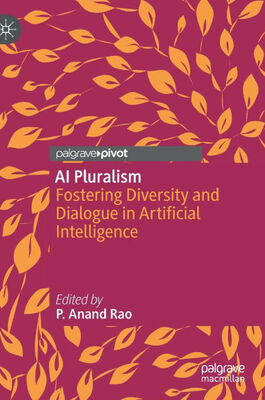
AI Pluralism: Fostering Diversity and Dialogue in Artificial Intelligence
P. Anand Rao
As artificial intelligence continues to advance rapidly, we face critical questions about how to develop these systems safely, ethically, and effectively. This book introduces and develops the concept of AI Pluralism - an approach that embraces the differentiation of AI agents in terms of their perspectives and capabilities, enabling genuine dialectical exchange and meaningful diversity in artificial intelligence development. Through contributions from leading scholars across computer science, education, communication, and philosophy, this volume provides a comprehensive examination of both the theoretical foundations and practical applications of AI Pluralism. The book begins by establishing the fundamental concepts and necessity of AI Pluralism in addressing current challenges in AI development, including bias, transparency, and safety concerns. It then expands into specialized discussions exploring how AI Pluralism intersects with education, ethics, industry applications, and technical implementation. Each chapter builds upon the others to create a cohesive framework for understanding and implementing pluralistic approaches to AI development. The volume concludes by examining the role of debate and dialectical reasoning in ensuring AI safety and ethical deployment, offering a practical pathway forward for the field. Through this multifaceted exploration, the book provides researchers, developers, educators, and policymakers with both theoretical grounding and practical guidance for implementing AI Pluralism. It represents a significant contribution to our understanding of how artificial intelligence can be developed in ways that enhance rather than diminish human capability and agency.
-
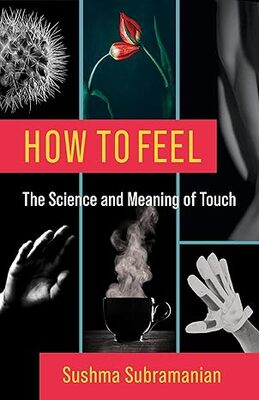
How to Feel: The Science and Meaning of Touch
Sushma Subramanian
How to Feel explores the scientific, physical, emotional, and cultural aspects of touch, reconnecting us to what is arguably our most important sense. Sushma Subramanian introduces readers to the scientists whose groundbreaking research is underscoring the role of touch in our lives. Through vivid individual stories—a man who lost his sense of touch in his late teens, a woman who experiences touch-emotion synesthesia, her own efforts to become less touch averse—Subramanian explains the science of the somatosensory system and our philosophical beliefs about it. She visits labs that are shaping the textures of objects we use every day, from cereal to synthetic fabrics. The book highlights the growing field of haptics, which is trying to incorporate tactile interactions into devices such as phones that touch us back and prosthetic limbs that can feel. How to Feel offers a new appreciation for a vital but misunderstood sense and how we can use it to live more fully.
Printing is not supported at the primary Gallery Thumbnail page. Please first navigate to a specific Image before printing.